AI Receptionist for Plumbers: A Practical Guide to Capturing Every Lead
The Cost of a Missed Call
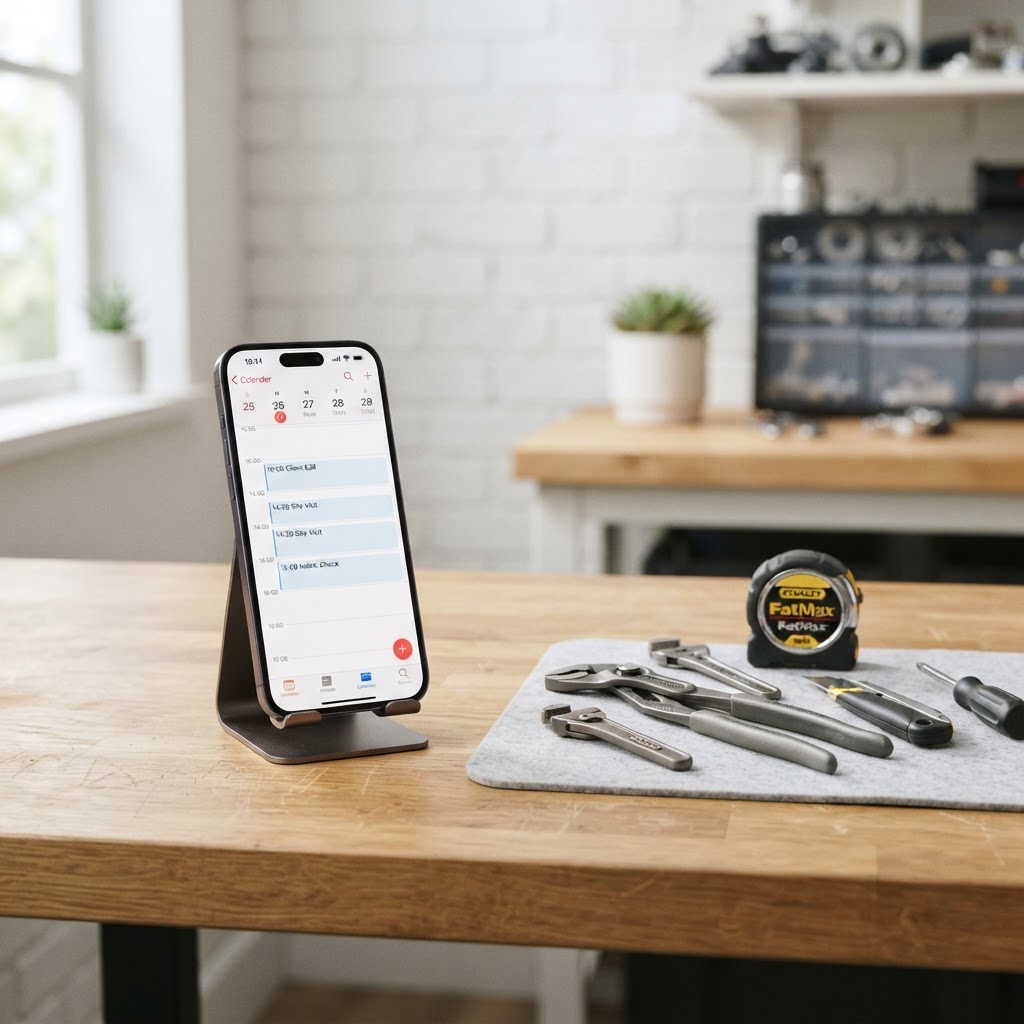
In the plumbing trade, your phone is your lifeline. When a homeowner has a burst pipe or a sewer backup, they are not shopping for the best price—they are shopping for the first person who answers. If you are under a sink, driving between jobs, or sleeping, and your phone goes to voicemail, that customer is already dialing the next number on their list.
For many plumbing businesses, this cycle of missed calls represents a significant, silent drain on annual revenue. While the exact impact varies by market, the reality is consistent: every unanswered emergency call is a direct transfer of revenue to your competitor. An AI receptionist for plumbers is designed to close this gap by ensuring that every single inbound call is answered, qualified, and handled according to your specific business rules, 24/7.
What Does an AI Receptionist Actually Do?
An AI receptionist is not a clunky phone tree or a basic automated menu. It is a voice-based AI system capable of holding natural, two-way conversations with your customers. When a call comes in, the AI answers instantly, identifies the caller's needs, and takes action based on your pre-set logic.
For a plumbing business, this typically includes:
- Emergency Triage: The AI can be trained to recognize keywords like "flooding," "gas leak," or "sewer backup." When these are detected, the system can immediately escalate the call to your on-call technician’s mobile phone.
- Live Booking: By integrating directly with your CRM or scheduling software (such as Jobber, ServiceTitan, or Housecall Pro), the AI can check your availability and book routine service calls directly into your calendar.
- Lead Qualification: The AI can ask the necessary questions to filter out non-urgent inquiries or price shoppers, ensuring your team only spends time on high-value jobs.
- Information Gathering: It captures the customer's name, address, and a description of the problem, then sends a summary to you via text or email so you are prepared before you even call them back.
Why Not Just Hire a Human?
Traditional answering services or in-house receptionists have been the standard for years, but they come with significant trade-offs. A full-time human receptionist requires a salary, benefits, training, and management. Furthermore, humans have limits—they need breaks, they get sick, and they cannot handle dozens of concurrent calls during a major storm or cold snap when plumbing emergencies spike.
An AI receptionist provides consistent, 24/7 coverage at a fraction of the cost. While a human receptionist might cost thousands of dollars per month in overhead, AI solutions typically range from $30 to $300 per month depending on call volume and feature complexity. This allows even solo operators to provide the same level of professional responsiveness as a large, multi-truck company.
What to Look For in a Provider
Not all AI systems are built for the trades. When evaluating a provider, look for these specific capabilities:
- CRM Integration: If the AI cannot talk to your scheduling software, it is just a glorified answering machine. Ensure it can read your availability and write new appointments directly into your system.
- Emergency Escalation Logic: The system must be able to distinguish between a "leaky faucet" (which can wait until Monday) and a "flooded basement" (which needs an immediate response). Test their triage protocols thoroughly.
- Customization: Your business has unique FAQs—your service area, your emergency fees, and your specific brands of equipment. The AI should be able to ingest this information so it sounds like a member of your team, not a generic bot.
- Concurrent Call Handling: During a major weather event, you might get five calls at once. A human or a basic service might put callers on hold, but a robust AI system can handle all of them simultaneously.
Common Mistakes to Avoid
- Over-Automating: Do not try to force the AI to handle complex sales negotiations. Use it to capture information and book appointments, but leave the high-level sales conversations to your experienced techs.
- Ignoring the Setup: The AI is only as good as the data you give it. If you don't provide clear instructions on your service boundaries and emergency protocols, the AI will not be able to make the right decisions.
- Failing to Test: Before going live, call your own business line repeatedly. Try to trick the AI. See how it handles different scenarios. If it fails to escalate an emergency, adjust your instructions immediately.
A Note on Implementation
At Foundria, we specialize in building the digital foundation for service businesses. We help plumbers and other contractors implement these systems so they can stop worrying about missed calls and focus on the work that actually generates profit. While there are many "off-the-shelf" AI tools available, the key to success is ensuring the system is properly integrated into your existing workflow and tuned to your specific business rules.
Conclusion
If you are currently losing jobs to voicemail, you are paying for an AI receptionist whether you use one or not. The cost of the missed revenue far outweighs the monthly subscription fee of a modern AI system. By automating your intake, you aren't just saving time—you are building a more resilient business that is ready to serve customers the moment they need you, regardless of the time of day.
Explore our services